Arsenal shelve Emirates expansion with focus shifting elsewhere
Credit: Getty Images
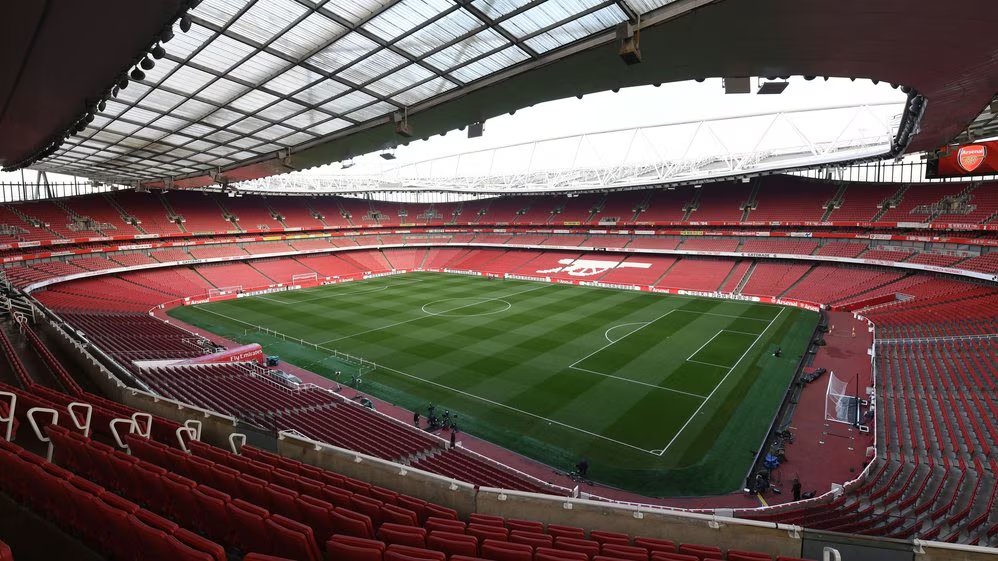
Arsenal have put plans for a major expansion of the Emirates Stadium on hold, ending more than two years of work examining how the ground could be significantly enlarged.
According to The Guardian, the club have decided against pursuing a large-scale redevelopment for now and will instead concentrate on more incremental improvements to the existing stadium — specifically hospitality, retail and the overall matchday experience.
The Friday Injury Tracker
Who's out, who's back and what it means for the next two games.
Two years of planning put aside
A working group led by chief executive Richard Garlick had been examining the options since 2024. Among the scenarios considered were ambitious plans that would have pushed capacity well beyond its current level.
The most significant complication was logistical. The report states that a substantial increase in capacity could have required Arsenal to play home matches away from the Emirates while the redevelopment work took place.
Mikel Arteta was also reportedly concerned about the disruption such a move would cause to the squad. Arsenal have spent recent seasons working to strengthen the atmosphere inside the Emirates, and a temporary relocation would have interrupted the routines of both supporters and players.
The club had more recently been understood to be working on plans to renovate and improve the Emirates rather than rebuild on a grand scale. That smaller-scale direction now appears to be the chosen path.
The door is not closed permanently
Shelving the project does not mean the idea has been abandoned for good. Demand for tickets at the Emirates remains enormous, and a larger capacity would carry obvious long-term commercial benefits for a club competing at the top of the Premier League and in Europe.
Arsenal's previous experience of playing European football at Wembley during the Highbury redevelopment years offers a reference point for how a temporary move can affect results and routines. That history appears to have fed into the thinking around whether the upheaval was worth it at this stage.
For now, the emphasis is on upgrading what already exists. Improvements to hospitality and retail are the kind of changes that can be delivered without forcing the club out of N5, and they address revenue streams that stadiums across the Premier League have increasingly leaned on.
The context matters here too. Arsenal's rivals have taken varied approaches to stadium development, from Tottenham's new-build to Manchester United's ongoing deliberations over Old Trafford, and Arsenal's decision places them firmly in the camp of refining rather than rebuilding.
Supporters who have been on the season ticket waiting list for years will note that capacity is not increasing in the immediate future. Others will point to the value of keeping the team in its own ground, uninterrupted, during a period in which Arsenal are chasing major honours.
Attention now turns to what the incremental upgrades actually look like, and whether the club revisit the expansion question once the current competitive cycle has played out.
The Friday Injury Tracker
Who's out, who's back and what it means for the next two games. Free, in your inbox every Friday.