Why inverted full backs are the key to Arteta's tactical system
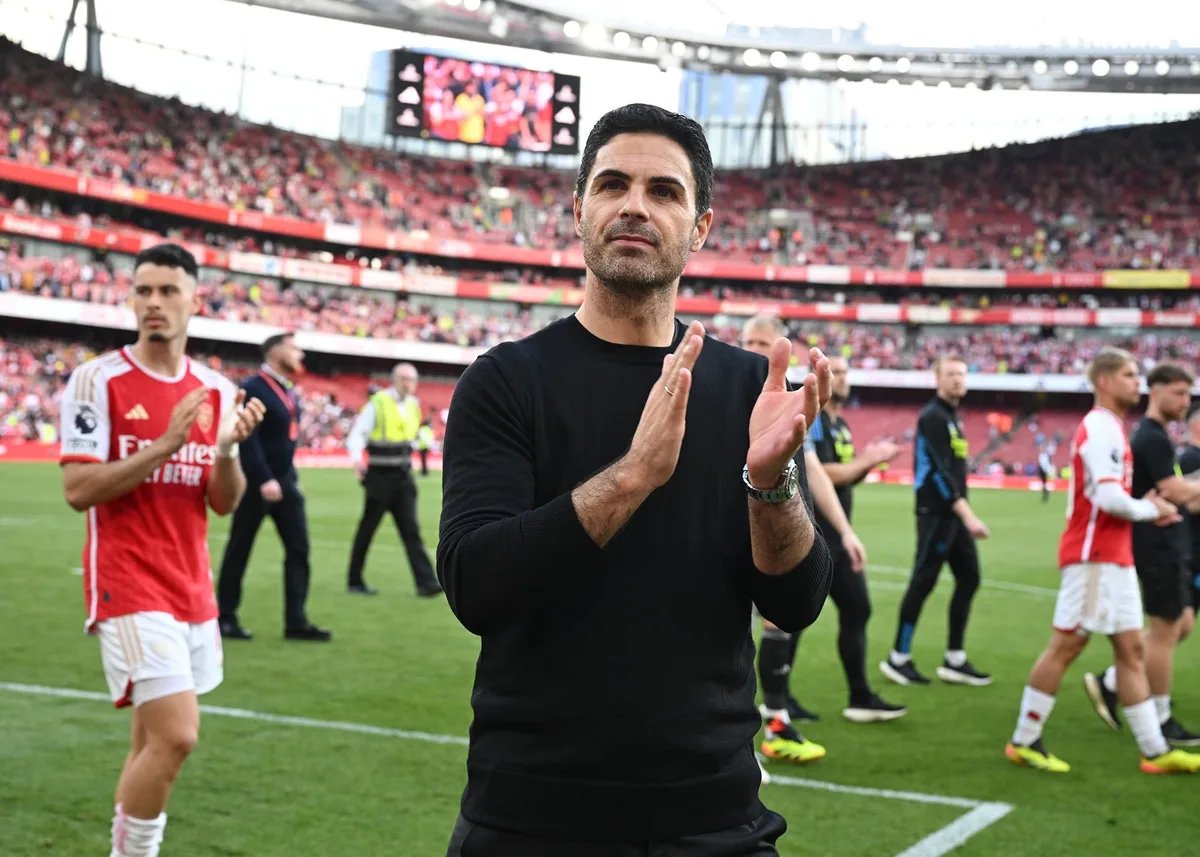
Mikel Arteta's Arsenal have redefined what a full back is supposed to do, and it has become one of the defining features of the team under his management. Rather than hugging the touchline and whipping in crosses, Arsenal's full backs are often found tucking inside, helping the side dominate possession and control midfield.
The approach, widely known as using inverted full backs, has become central to Arsenal's identity in recent seasons. As JustArsenal explored in a recent opinion piece, the tactic shapes almost everything about how the Gunners build from the back.
The Friday Injury Tracker
Who's out, who's back and what it means for the next two games.
Creating numerical advantages in midfield
The core idea behind inverting a full back is straightforward: it creates an extra passing option through the middle of the pitch. When Arsenal build from the back, one full back shifts inside alongside the central midfielders, giving the team an additional body in that zone.
That extra option makes life considerably harder for opponents trying to press. If an opposition midfielder follows the full back infield, space opens up elsewhere on the pitch. If they stay put, Arsenal simply gain a numerical edge in central areas.
The benefit is most obvious against sides that sit in a compact defensive shape. Instead of leaning solely on centre backs and holding midfielders to progress the ball, Arsenal can manufacture fresh passing angles and shift the opposition's structure around, allowing them to build patiently while keeping control of the middle of the park.
Defensive balance and the right profiles
Pushing players forward always carries risk, since it leaves gaps that can be exploited on the counter. Having a full back positioned centrally helps mitigate that.
Rather than being stranded high and wide, the inverted full back sits in front of the centre backs, giving Arsenal a sturdier defensive base when the ball is lost and helping the team react faster to transitions as they look to win possession back before an opponent can break forward.
The system is not without its drawbacks. If opponents manage to bypass Arsenal's initial press, the vacated wide areas can become exposed. Inverting also demands a specific skill set, comfort receiving the ball under pressure, sharp decision making in tight spaces, and the positional awareness to know exactly when to tuck inside and when to hold width.
That intelligence and rotation with wingers and midfielders is essential to making the system function, something that has shown up in how Arsenal's full backs interchange positions with the midfield unit this season.
Control as the guiding principle
At its heart, the use of inverted full backs reflects Arteta's broader football philosophy, built around controlling space, engineering numerical advantages and protecting defensive structure.
When it clicks, it gives Arsenal a level of control in matches that makes them notoriously difficult to break down, and it remains one of the clearest signatures of Arteta's tenure at the Emirates.